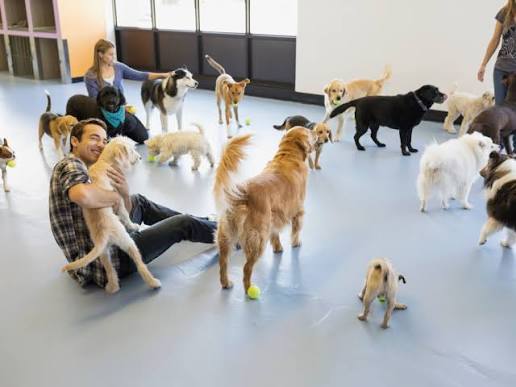
Professional dog kennel management involves much more than providing dogs with food, water, and a secure place to stay. Successful kennel operations require organized daily routines, appropriate housing, attentive supervision, hygiene protocols, behavioral awareness, and individualized care. Whether managing a boarding facility, daycare center, or residential kennel, maintaining consistent standards is essential for canine safety and well-being.
For businesses such as Rob’s Dog Training, understanding the principles behind effective kennel management highlights the importance of combining practical animal care knowledge with responsible facility operations. A well-managed kennel should provide an environment where dogs feel secure, receive appropriate attention, and have their physical and behavioral needs addressed throughout their stay.
Understanding the Fundamentals of Professional Dog Kennel Management
Running a kennel requires balancing animal welfare with operational responsibilities. Every decision, from selecting appropriate housing arrangements to organizing feeding schedules, can influence the experience of the dogs in your care.
Professional kennel management typically involves several essential areas:
- Facility maintenance: Keeping kennels, common areas, outdoor spaces, and equipment clean and functional.
- Daily care routines: Establishing consistent schedules for feeding, exercise, rest, and supervision.
- Health monitoring: Observing dogs for changes in appetite, behavior, energy levels, or physical condition.
- Behavioral management: Recognizing individual temperaments and responding appropriately to different behavioral needs.
- Staff coordination: Ensuring employees understand their responsibilities and follow established care procedures.
These responsibilities should work together rather than operate as separate tasks. For example, a well-organized feeding routine also provides opportunities for staff to observe appetite changes that could indicate a health concern.
Establishing Safe and Comfortable Kennel Environments
The physical environment plays an important role in canine health and comfort. Dogs need suitable accommodation that protects them from environmental hazards while providing enough space to move, rest, and behave naturally.
Choose Appropriate Housing Arrangements
Kennel spaces should accommodate the size, age, physical condition, and individual requirements of each dog. Housing should provide sufficient room for comfortable movement, access to clean water, and a suitable resting area.
Important considerations include:
- Secure gates, doors, and fencing to prevent accidental escapes.
- Proper ventilation and temperature control.
- Non-slip flooring that can be cleaned effectively.
- Comfortable bedding appropriate for each dog’s needs.
- Separation arrangements for dogs that require individual accommodation.
Noise management is another important consideration. Continuous barking, unfamiliar sounds, and excessive activity can create stress, particularly for dogs unfamiliar with kennel environments.
Creating quieter resting areas gives dogs opportunities to relax away from busy communal spaces.
Maintain Consistent Cleaning and Sanitation Standards
Hygiene is a fundamental part of responsible kennel operations. Shared spaces, feeding equipment, bedding, and frequently touched surfaces require regular cleaning to reduce contamination risks.
A practical sanitation routine should include:
- Removing waste and soiled materials promptly.
- Cleaning food and water bowls regularly.
- Washing bedding according to an established schedule.
- Disinfecting appropriate surfaces using products suitable for animal environments.
- Allowing cleaned areas to dry properly before reuse.
Staff should also follow handwashing procedures and avoid transferring contaminated materials between kennel areas.
Cleaning schedules should be documented so that important tasks are completed consistently across different shifts.
Developing Effective Daily Care and Supervision Routines
A structured daily schedule helps kennel staff manage responsibilities while giving dogs a predictable environment. Although individual routines may differ, consistency can make transitions easier and help reduce unnecessary stress.
Organize Feeding and Hydration
Feeding arrangements should reflect each dog’s dietary requirements, age, size, and health considerations. Kennel operators should collect accurate feeding instructions from owners before admission.
Important information includes:
- Type and quantity of food.
- Feeding frequency and preferred meal times.
- Known food allergies or dietary restrictions.
- Medication instructions, where applicable.
- Any special feeding arrangements.
Fresh drinking water should remain accessible unless specific veterinary instructions indicate otherwise.
Staff should monitor food and water consumption and record unusual changes. Refusing meals, drinking excessively, or showing difficulty eating may require further attention.
Provide Appropriate Exercise and Rest
Physical activity supports canine fitness, mobility, and general well-being. However, exercise requirements vary considerably between individual dogs.
Young, energetic dogs may benefit from more frequent opportunities for movement, while senior dogs or those with physical limitations may require shorter, gentler activities.
A balanced routine can include:
- Supervised outdoor walks.
- Individual play sessions.
- Age-appropriate enrichment activities.
- Opportunities for social interaction when suitable.
- Quiet periods for uninterrupted rest.
Rest is just as important as activity. Overstimulating dogs with continuous play or exercise can contribute to fatigue and behavioral difficulties.
Professional kennel operators should recognize when dogs need a break and adjust activities accordingly.
Applying Canine Behavioral Knowledge to Kennel Operations
Understanding dog behavior is essential for maintaining a safe and positive kennel environment. Dogs communicate through body language, vocalizations, facial expressions, and changes in behavior. Staff who recognize these signals can respond before minor concerns develop into more serious problems.
Recognize Signs of Stress and Discomfort
Some dogs adapt quickly to unfamiliar surroundings, while others need additional time and reassurance. Separation from familiar people, exposure to unfamiliar animals, and changes in routine can contribute to stress.
Possible signs include:
- Excessive panting when environmental conditions do not explain it.
- Repeated pacing or restlessness.
- Hiding or avoiding interaction.
- Persistent whining or barking.
- Changes in appetite.
- Unusual aggression or withdrawal.
These behaviors should be considered in context rather than automatically treated as disobedience.
Staff should document behavioral changes, consider possible environmental triggers, and communicate concerns to the appropriate person. Persistent or severe symptoms may require veterinary assessment.
Manage Group Interactions Carefully
Group play can provide opportunities for exercise and social interaction, but not every dog is comfortable in a communal setting.
Before introducing dogs, staff should consider their size, age, temperament, play style, health status, and previous social experiences.
Responsible group management involves:
- Conducting appropriate behavioral assessments.
- Introducing compatible dogs gradually.
- Supervising interactions continuously.
- Providing sufficient space and escape routes.
- Separating dogs when interactions become uncomfortable or unsafe.
Dogs should never be forced to participate in group activities. Individual play and enrichment may be more appropriate for animals that prefer limited social contact.
Strengthening Staff Training and Operational Procedures
Even well-designed facilities depend on knowledgeable and responsible employees. Staff members should understand animal handling principles, safety procedures, sanitation requirements, and the importance of accurate recordkeeping.
A comprehensive training program should cover:
Animal handling: Employees need practical knowledge of safe restraint, leash handling, and appropriate responses to different canine behaviors.
Emergency preparedness: Staff should know how to respond to injuries, escapes, sudden illness, and other unexpected incidents. Emergency contacts and veterinary arrangements should remain accessible.
Health observation: Employees should recognize common warning signs, understand reporting procedures, and avoid attempting treatments beyond their qualifications.
Communication: Clear shift handovers help ensure that feeding instructions, medication schedules, behavioral observations, and special requirements are not overlooked.
Written standard operating procedures (SOPs) can make these expectations easier to follow. They also provide a consistent reference when new employees join the team.
Maintaining Accurate Records and Owner Communication
Reliable documentation supports accountability and helps kennel operators provide more individualized care. Each dog’s file should contain relevant information collected during registration and updated throughout the stay.
Useful records include:
- Owner contact information and emergency contacts.
- Veterinary details and relevant health information.
- Vaccination documentation based on facility requirements.
- Feeding preferences and dietary restrictions.
- Medication instructions.
- Behavioral observations and care notes.
- Daily activity and incident reports.
Clear communication with owners is equally important. Before admission, staff should explain facility policies, required documentation, available services, and what owners should bring.
During a dog’s stay, timely updates about significant behavioral changes, health concerns, or incidents help maintain transparency and build trust.
Improve Kennel Management Through Regular Evaluation
Professional standards should be reviewed regularly rather than treated as permanent procedures. Changes in staffing, facility conditions, animal populations, and operational demands can introduce new challenges.
Kennel operators can conduct periodic evaluations by reviewing:
- Cleaning and maintenance records.
- Staff training completion.
- Animal health and incident reports.
- Feeding and medication documentation.
- Behavioral observations.
- Owner feedback and complaints.
These evaluations help identify areas where procedures need clarification or additional staff training.
It is also useful to review whether the facility provides enough quiet space, suitable exercise opportunities, and appropriate supervision during its busiest periods.
Small operational improvements can make daily responsibilities more manageable while supporting consistent animal care.
Build a Better Standard of Care Through Professional Kennel Management
Effective kennel operations depend on more than suitable facilities and organized schedules. They require a clear understanding of canine behavior, responsible supervision, consistent hygiene practices, and the ability to recognize each dog’s individual needs. Businesses such as Rob’s Dog Training demonstrate the importance of understanding canine needs when providing responsible dog care.
By establishing reliable procedures, training knowledgeable staff, maintaining accurate records, and communicating openly with owners, kennel operators can create safer and more comfortable environments for the animals in their care.
Ultimately, professional dog kennel management should place animal welfare at the center of every operational decision. When safety, health, behavioral needs, and responsible facility practices receive equal attention, kennels are better equipped to provide dependable care and build lasting relationships with dog owners.