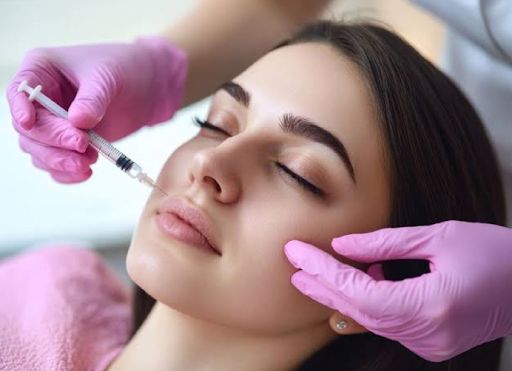
Emotions and facial characteristics alter with time, showing various faces and expressions, as well as aging. Consultations are more productive when individuals seek out information about the treatments available with dermal fillers by Robina. Dermal fillers are injected to add volume or contour facial areas that have been chosen. The purpose is not to get something that looks entirely different or expresses something other than here’s the balance. Personal preferences are taken into consideration, especially for matters to which someone actually wishes to refer their attention. The skills of an experienced and suitably qualified practitioner will come in handy to convey options, taking into account facial anatomy and medical history. Clear information is a tool that enables individuals to make aesthetic judgements based on realistic expectations and with added personal confidence.
Gentle Definition
Bigger facial areas that can benefit from something more defined will benefit from the use of certain fillers, provided they are technically the right size for the particular area. Discussions about treatment may refer to the cheeks, chin or other features to be assessed. Practitioners do not have to use trendy proportions but may wish to think about proportions which will complement anybody’s current look. In the framework of a customized treatment strategy, suitable treatment decisions can be made utilising the presentation of the face and patient preferences. Placement can make subtle definitions and retain the expressions that make faces distinctive.
Restored Volume
As facial fat pad tissue changes, so can the fullness of specific areas. With a gauge assessment, some dermal fillers can be used to replace volume. Individuals who are thinking about Robina Dermal Fillers may want to converse with practitioners about these gradual transformations. Discussions should cover desired results as well as the performance of fillers in various facial tissues. When the person gets one-on-one attention, this can be used to verify if they are well matched with more volume than their features and objectives require.
Natural Expression
A good effect honours the gestures and forms that are well known to a person’s face. At rest and while conversing or smiling, practitioners can evaluate facial features. That’s why it’s important that dynamic assessment matters, as a face is rarely only a still picture. Patients are supported to articulate their preferences in good consultations without threatening them with dramatic change. Balanced planning focuses not so much on some idealised image of a portrait from someone else but a personal image of self.
Personal Choice
Aesthetic consultations should give you the time to think about options and ask questions without that feeling of hurry. Patients are able to talk about what they are unhappy with, what seems interesting, and what they are not sure about. A qualified clinician can provide such information as treatment suitability, alternatives and why procedures should not be indicated. These discussions honour choice and facilitate the ability to more clearly communicate before treatment. One thing that is crucial in any exercise of thoughtful cosmetics application is being heard.
Skin Awareness
Talk about fillers might begin discussions about ageing your face and every day skin care products that you are utilising. Practitioners can teach about how sun exposure, hydration and lifestyle affect skin aging and changing appearance. While these are not a replacement for proper skincare, knowledge of these differences can help you make informed decisions. There’s a broader perspective, too, that lets patients know if there’s a volume problem, or if there’s another issue that needs to be addressed. Helpful tips can be given beyond the appointment and into future appointments.
Tailored Planning
The face is different in length and shape for different people, and it is necessary to understand each patient’s individual facial structure before doing anything cosmetic with the face. Patients engaged in dermal fillers by Robina ought to be given clear explanations of techniques proposed during the consultations. The practitioners are able to view the health information presented in advance, see what the treatment has been in the past up to and which medicines have been used before discussing suitability. Personalised planning: details of possible complications, support after surgery, realistic possibilities for the outcome. This preparation helps in making decisions on clinical judgment and not passing any appearance trends.
Ongoing Support
A responsible treatment pathway includes after-care information and advice if things do raise questions. Patients should be made aware of changes they can look forward to after the treatment and symptoms that require immediate medical attention. Follow-up enables the practitioner to determine efficacy and speak of continued action. Ongoing plans need to be flexible because the effects of different fillers will differ from product to product and person to person. Professional advice is easily available and aids patients in feeling like they are well-informed while experiencing an extensive cosmetic treatment course.
Conclusion
Informed preparation is the beginning of moooothful cosmetics: our first expectation is to respect the characteristics of each face. Application of dermal fillers by Robina can raise meaningful discussions on proportions, volume, and personal tastes. A good, qualified practitioner can determine whether a specific characteristic or situation would benefit from fillers. With careful planning, subtle refinement is possible and can avoid being seen as an imperfection to be fixed up. Important too are frank answers to restrictions, complications that may arise, and appropriate follow-up care. Having time to ask questions is a useful way for patients to inform their decisions based on priorities. Facial aesthetics ought to be personal, and nobody should be forced to do what somebody else thinks is beautiful. Informed decision-making about treatment can be thoughtful, informed, and personal.