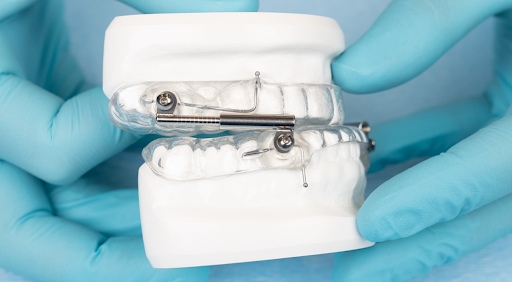
A device which is small in size and made for mouth, it works by holding lower jaw slightly forward while person is sleeping, and this kind of solution, commonly referred as mandibular splint for sleep apnoea, helps airway to remain open so breathing pauses do not keep happening throughout night. Many people who received diagnosis of mild to moderate obstructive sleep apnoea, they tend to prefer this option, mainly since it is non-invasive by nature and comes across as simpler choice when compared with bulky breathing machines.
What Causes Obstructive Sleep Apnoea?
Mainly, obstructive sleep apnoea occurs when muscles at back portion of throat become too much relaxed while sleeping, and due to this, airway becomes narrow or in some cases it collapses completely. Because of this condition, breathing pauses happen repeatedly, and mostly loud snoring or gasping sound comes along with it. Several factors are there which contribute towards this problem, like extra weight of body, how jaw is structured, age increasing, and blocked nose also. If this condition is left unmanaged, then it can create problems for sleep quality, energy during day, and also heart health for long term.
How Does a Mandibular Splint Work?
This device is made in such way that it fits on both upper and lower teeth, similar to mouthguard. Main work of this splint is pushing lower jaw little bit forward, and because of this action, tongue along with soft tissues does not block throat easily. Even this small kind of change in jaw position, it can lower airway blockage in noticeable manner, which then allows air for passing more smoothly during whole night. Because this device does not require electricity or continuous pressure of air, many people find it convenient one and easy for carrying, especially for managing snoring and mild symptoms of sleep apnoea.
Who Can Use a Mandibular Splint for Sleep Apnoea?
Generally, this device gets suggested for those people who are having mild to moderate obstructive sleep apnoea, particularly ones who face difficulty in continuing with treatments that are more heavy. Sometimes, it is suggested also for individuals who snore very much but officially not diagnosed with severe apnoea. However, one thing should be noted, suitability of this device is depending on many factors such as structure of jaw, condition of teeth, and how severe airway blockage is, which normally gets checked through sleep study along with evaluation from dentist before fitting of splint.
Is a Mandibular Splint as Effective as CPAP?
When it comes to moderate or severe sleep apnoea, CPAP therapy still remains as standard treatment because continuous air pressure is given by it for keeping airway open properly. On another side, mandibular splint is working in different way since it repositions jaw rather than pushing air with force into airway. For mild to moderate apnoea cases, many studies are showing that these oral devices can work almost same good as CPAP, mainly for those persons who feel uncomfortable while using breathing machines on regular basis. At end, severity level of condition along with personal comfort usually decides which treatment will be more suitable.
What Does the Fitting Process Involve?
Process for getting mandibular splint, it normally begins with consultation and assessment of sleep, which helps for confirming diagnosis and severity level of apnoea. After this step, professional from dental field takes impression of teeth so custom device can get prepared accordingly. This is different from those generic mouthguards which are available commonly in market, because here proper fitting matters a lot, since wrong positioning may reduce effectiveness or sometimes cause discomfort in jaw area.
Are There Any Side Effects?
Similar like other devices used in medical field, mandibular splint too can bring some mild side effects, mostly during beginning period when mouth is still in process of adjusting. Few common ones are mentioned below:
- Stiffness or soreness in jaw
- Salivation more than usual
- Teeth shifting slightly if device used for long duration
- Discomfort which is temporary in temporomandibular joint (TMJ)
In most of cases, these side effects stay temporary and they get better gradually once mouth becomes habitual with device. Also, going for dental check-ups on regular basis helps for monitoring alignment of jaw and confirming that splint is fitting in correct way still.
How Long Does a Mandibular Splint Last?
If proper care is taken, then custom made mandibular splint can last normally for three to five years approximately, though this also is depending on usage frequency and how well it is maintained. Cleaning it on daily basis and storing correctly, this can help for making it last longer duration. As time passes, some adjustments or even replacement might become necessary, especially in case jaw structure or alignment of teeth changes.
Can Lifestyle Changes Improve the Results?
Even though splint alone helps for managing blockage of airway, certain habits related to lifestyle can also affect how effectively it performs. Maintaining weight of body in healthy range, sleeping on side rather than back, and avoiding alcohol before going to bed, all these things together can support breathing pattern in better way during night. When such habits get followed along with using device consistently, people often notice improvement which is quite noticeable in their overall quality of sleep.
In simple words, mandibular splint for sleep apnoea, it offers practical and non-invasive way for managing blockage of airway, especially for those people who are dealing with symptoms that are mild to moderate. Since this works through repositioning of jaw for keeping airway open, it helps for reducing snoring, improving flow of oxygen, and also supporting sleep quality overall in better manner. For those persons who are searching alternative to breathing devices that are complicated, this option is still remaining as trusted and widely recommended solution, which is supported by expertise of dental field and clinical research.